Cognitive Biases and Gambling
Cognitive biases play a significant role in how players engage with casino games. One of the most common biases is the illusion of control, where gamblers believe they can influence the outcome of a game, even when it is purely based on chance. This can lead to excessive betting behavior as players chase their perceived ability to win at australia online casino , which only reinforces their beliefs and creates a cyclical pattern of behavior that can be hard to break.
Another prevalent cognitive bias is the gambler’s fallacy, which involves the mistaken belief that past events will influence future outcomes in random events. For instance, if a player witnesses a particular slot machine paying out frequently, they may conclude that it is ‘hot’ and more likely to result in further wins. This fallacy can lead to poor decision-making and reckless gambling, as players place undue weight on previous results that have no bearing on the randomness of future plays.
The availability heuristic also influences gambling behavior. Players often recall recent wins or promotions more readily than past losses, skewing their perception of risk and reward. This cognitive shortcut can create an illusion of higher probability for wins, leading to increased play and, ultimately, financial losses. Understanding these biases is essential for players who wish to navigate the gambling landscape more responsibly.
The Role of Reward Systems
The design of casino games incorporates sophisticated reward systems that tap into the brain’s pleasure centers. Casinos utilize variable rewards to keep players engaged, where intermittent payouts create a sense of anticipation and excitement. This unpredictability is akin to slot machines providing random wins, encouraging players to continue playing in hopes of hitting a big jackpot. Such mechanisms can activate dopamine release, which reinforces the behavior of gambling, creating a feedback loop that can be difficult to resist.
Promotions, bonuses, and loyalty programs further enhance the reward structures within casinos. These incentives can create a sense of belonging and provide players with a false sense of value, making them feel as though they are receiving rewards for their loyalty. In turn, this can increase their time spent gambling, as they chase not only the rewards but also the social validation that often accompanies gaming experiences, such as camaraderie amongst fellow players.
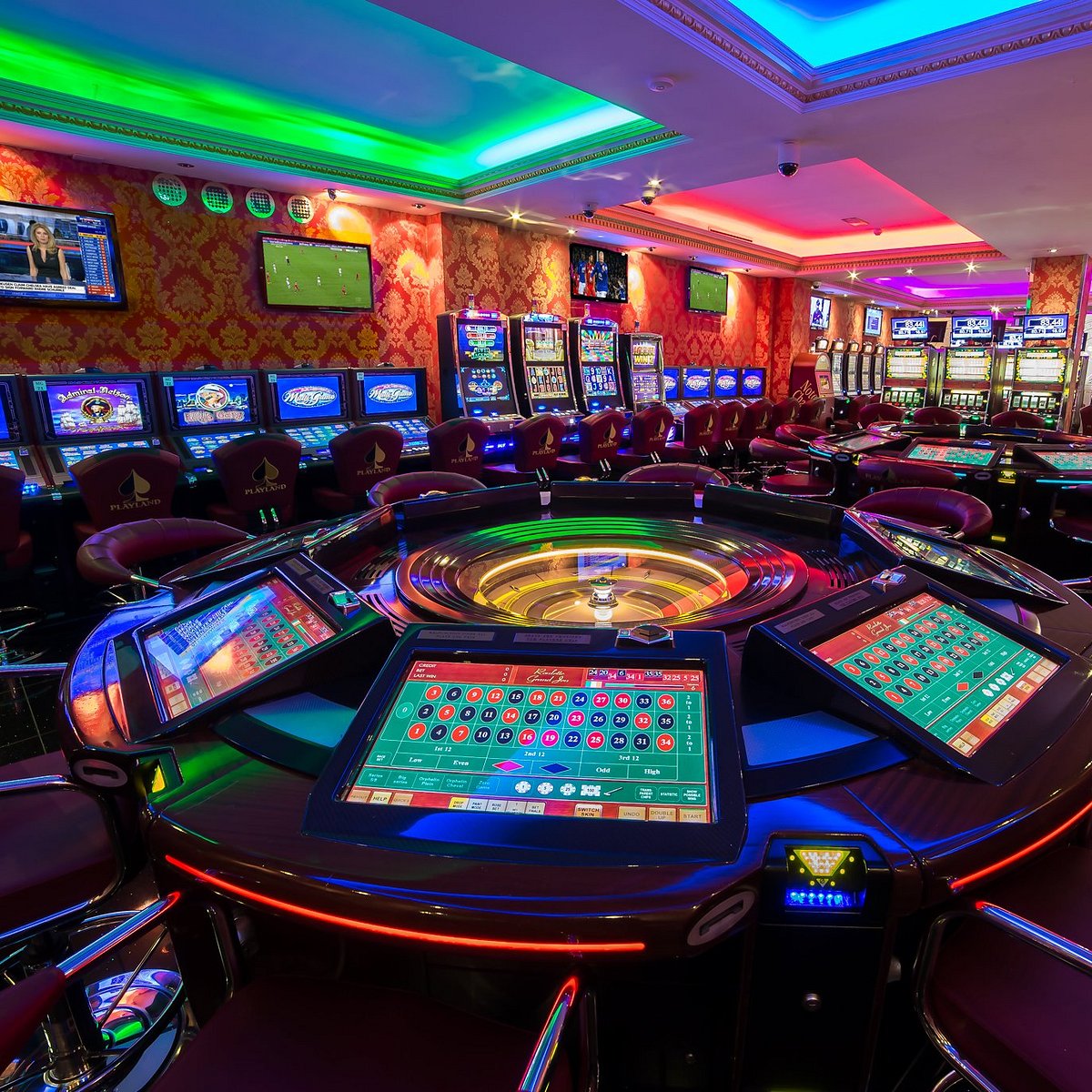
Moreover, the environment of casinos—including lighting, sounds, and colors—is meticulously designed to enhance the allure of the games. Research indicates that certain auditory cues, such as the sound of coins dropping or the chime of a payout, can trigger positive emotions and enhance the gaming experience. This multi-sensory stimulation creates an engaging atmosphere that further amplifies the psychological responses associated with gambling, making it even more challenging for players to walk away.
Emotional Factors in Gambling
Emotional states significantly impact gambling behaviors, influencing decision-making and risk-taking. Players often gamble as a form of escapism from stress, anxiety, or depression, seeking solace and distraction in the thrill of uncertainty. This emotional coping mechanism can lead to compulsive gambling as individuals become reliant on the adrenaline rush or the temporary relief that gaming provides. Understanding the emotional underpinnings of gambling behavior is crucial for addressing addiction and promoting healthier alternatives.
The emotional highs and lows associated with gambling create an exhilarating experience that can be addictive. Winning can foster feelings of empowerment and joy, while losing may result in frustration or shame. These emotional fluctuations can compel players to gamble more in an attempt to recover losses, reinforcing a cycle of behavior that is challenging to stop. This emotional rollercoaster is often exacerbated by the social aspects of gambling, where peer pressure and the desire for acceptance can further escalate risky play.
Furthermore, the fear of missing out (FOMO) can contribute to irrational gambling behaviors. Players may feel compelled to participate in specific games or promotions to avoid being left out, leading them to make impulsive decisions. FOMO can often overshadow rational thought, pushing individuals to chase fleeting chances instead of considering the odds or their financial limitations. This complex interplay between emotion and gambling underscores the importance of awareness and restraint in gaming contexts.
Social Dynamics and Gambling Culture
The social dynamics surrounding gambling can greatly influence individual behaviors and attitudes toward risk. Casino environments foster social interaction, where players exchange stories, strategies, and experiences. This communal aspect can enhance the overall thrill of gaming, making it a shared adventure rather than a solitary endeavor. However, this social environment can also normalize excessive gambling, as individuals may feel validated by the behaviors of their peers, leading to increased risks.
Moreover, the influence of culture plays a critical role in shaping gambling behaviors. In societies where gambling is celebrated or viewed as a legitimate leisure activity, individuals may be more prone to participate without considering the potential risks. Conversely, in cultures where gambling is stigmatized, players might hide their behaviors, leading to secrecy and potential escalation as individuals try to mitigate their feelings of shame or guilt. Understanding these cultural nuances is essential for developing responsible gaming initiatives.
Social media has also transformed the gambling landscape, allowing individuals to share their experiences and wins. This digital interaction can amplify the excitement surrounding gambling but also perpetuate harmful behaviors as individuals compare themselves to others. The pressure to showcase success can lead to a cycle of competition and risk-taking, where players are more willing to gamble excessively to maintain their perceived social status. The interplay between social dynamics and gambling culture highlights the need for responsible messaging and community support.
Insights from Our Website
At our website, we strive to provide comprehensive information and resources related to gambling psychology, offering insights into the various factors that influence gaming behavior. Our goal is to educate players about the underlying psychological mechanisms at play and promote responsible gambling practices. By fostering awareness, we aim to empower individuals to make informed decisions regarding their gaming experiences.
We encourage visitors to explore our extensive articles that delve into cognitive biases, emotional influences, and social dynamics associated with gambling. Through this understanding, we hope to cultivate a healthier gambling environment where players can enjoy the thrill of gaming while remaining mindful of their limits. We believe that knowledge is key to transforming the gambling experience into a safe and enjoyable pastime.
Join our community today to access valuable information, share experiences, and engage in discussions that help promote responsible gambling. Together, we can create a well-informed player base that prioritizes both enjoyment and well-being in the world of casino games.